

The good news? You don't need an expedition-sized backpack.
With the right clothing system and a few essential pieces of equipment, you can stay comfortable throughout the climb while keeping your luggage manageable.
At Wild to Peaks Tanzania, we recommend packing with one principle in mind: layers are better than bulky clothing.
The Kilimanjaro Packing List
1. Clothing
The temperature can change dramatically as you gain altitude. Instead of relying on one very warm jacket, bring several layers that you can add or remove as needed.
Base layers
Your base layer sits directly against your skin and helps regulate body temperature.
Pack:
2–3 moisture-wicking T-shirts
1–2 long-sleeved moisture-wicking tops
1–2 pairs of thermal underwear
2–3 pairs of trekking trousers
1 pair of comfortable trousers or leggings for camp
Avoid cotton for your main trekking layers. Cotton absorbs moisture and dries slowly, which can leave you cold at higher elevations.
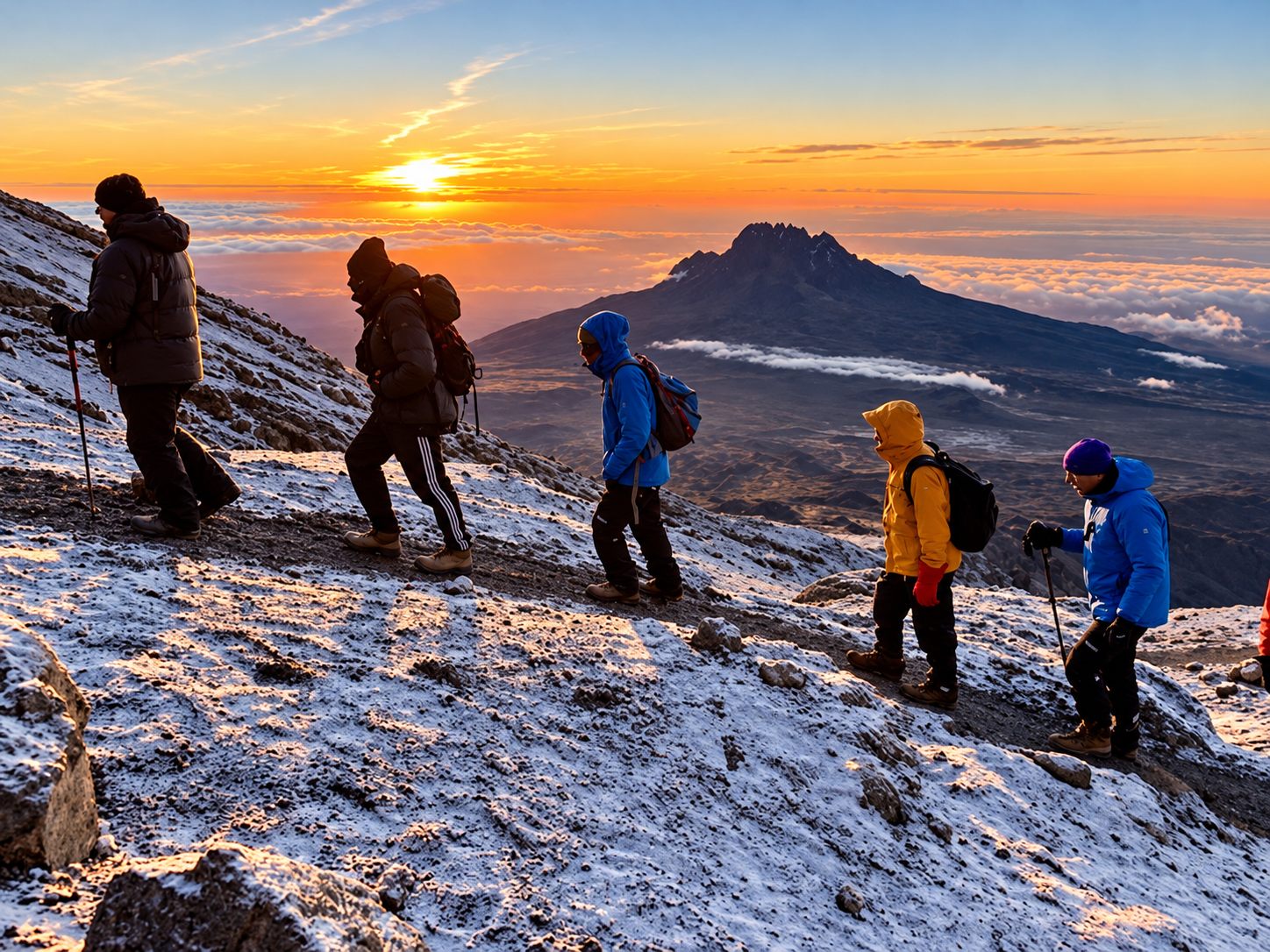
Warm layers
As you climb higher, temperatures drop significantly.
We recommend:
1 warm fleece or mid-layer
1 lightweight insulated jacket
1 warm down or synthetic jacket for the summit night
1 waterproof and windproof jacket
1 pair of waterproof trousers
A good layering system allows you to adjust your clothing throughout the day rather than carrying one extremely heavy garment.
2. Footwear
Your feet will carry you all the way to the summit, so comfortable and reliable footwear is essential.
Pack:
Sturdy, comfortable hiking boots
3–5 pairs of good-quality hiking socks
1–2 pairs of warm thermal socks for summit night
Comfortable camp shoes or sandals
Do not start your Kilimanjaro trek in brand-new boots.
Wear them beforehand so you know they fit properly and don't cause blisters.
Your boots should be comfortable, provide good ankle support and have enough room for thicker socks without squeezing your toes.
3. Head, Hands & Face
The higher you climb, the more exposed you become to cold, wind and intense sunlight.
Bring:
Warm beanie or fleece hat
Sun hat or cap
Buff or neck gaiter
Warm gloves
Waterproof outer gloves or mittens
Sunglasses with good UV protection
Sunscreen
SPF lip balm
A buff is particularly useful because it can protect your neck and face from cold wind, dust and strong sunlight.

4. Backpack & Luggage
You will generally carry only what you need during the day.
A 20–30 litre daypack is usually sufficient for carrying:
Water
Snacks
Rain jacket
Extra layer
Camera or phone
Sunscreen
Personal medication
Small personal items
Your larger luggage can be transported separately by the trekking team, depending on your chosen itinerary and arrangements.
Use a waterproof backpack cover or dry bags to protect your belongings from rain.
5. Sleeping Gear
Your sleeping equipment depends on your route and the type of trek you choose.
For camping routes, we recommend:
Warm sleeping bag suitable for sub-zero temperatures
Sleeping bag liner if desired
Small travel pillow or inflatable pillow
Headlamp with spare batteries
If you're climbing the Marangu Route, accommodation is provided in mountain huts, but a warm sleeping bag is still essential.
Don't underestimate the cold at night.
Temperatures at higher camps can fall well below freezing, especially during the summit attempt.
6. Trekking Poles
Trekking poles are not mandatory, but many hikers find them extremely useful.
They can:
Reduce strain on your knees
Improve balance on uneven terrain
Help on steep ascents and descents
Provide extra stability on loose volcanic terrain
They are particularly helpful during the long descent after reaching the summit.
7. Water & Hydration
Staying hydrated is essential at altitude.
Bring:
Reusable water bottles or a hydration bladder
Insulated bottle for summit night if possible
Water purification tablets or another purification method as a backup
Your trekking team will provide information about daily water availability and refilling arrangements.
A hydration bladder can be convenient during the day, although carrying at least one bottle is useful because hydration tubes can freeze during the summit attempt.
8. Snacks & Energy
Trekking for several hours every day requires plenty of energy.
Good options include:
Energy bars
Nuts and trail mix
Dried fruit
Chocolate
Biscuits
Sweets or glucose-based snacks
Choose foods you already enjoy. Kilimanjaro is not the time to experiment with unfamiliar energy products.
If you have specific dietary requirements, let your trekking team know before departure so meals and snacks can be planned accordingly.
9. Toiletries & Personal Items
Keep toiletries to a minimum and choose small travel-sized products.
Pack:
Toothbrush and toothpaste
Biodegradable wet wipes
Hand sanitizer
Small towel
Toilet paper
Lip balm
Sunscreen
Moisturizer
Personal hygiene products
Small rubbish bags
Showers are generally not available during the trek, so wet wipes are particularly useful for keeping fresh at camp.
10. Personal Medication & First Aid
Bring any medication you normally take and keep it somewhere easily accessible.
You may also want:
Blister plasters
Regular plasters
Pain relief medication
Personal prescription medication
Rehydration salts
Any medication recommended by your doctor
Small personal first-aid kit
Your trekking team will carry a first-aid kit, but having a few personal essentials in your daypack is useful.
If you take prescription medication or have a medical condition, speak with your doctor before travelling to high altitude.
11. Electronics
You don't need many electronic devices on the mountain, but a few can be useful.
Consider bringing:
Smartphone
Camera
Spare batteries
Power bank
Charging cables
Universal travel adapter
Headlamp
Cold temperatures can reduce battery life, particularly at high altitude.
Keep spare batteries and power banks protected from extreme cold whenever possible.
12. Documents & Money
Keep your important documents protected and easily accessible.
Bring:
Passport
Travel insurance details
Emergency contact information
Copies of important documents
Some Tanzanian shillings or small amounts of cash
Credit/debit card for use before or after the trek
Keep documents and cash inside a waterproof pouch or dry bag.
What Not to Pack
You don't need to carry your entire wardrobe to Kilimanjaro.
Avoid unnecessary items such as:
Too many changes of clothes
Heavy cotton clothing
Large bottles of toiletries
Bulky towels
Excessive electronics
Uncomfortable shoes
Brand-new hiking boots
Heavy luggage you won't use
Pack smart, not heavy.
Kilimanjaro Summit Night: Your Special Checklist
Summit night is different from every other day of the trek.
You will be climbing through darkness, often in freezing temperatures, so make sure the following items are easily accessible:
Warm base layers
Fleece or mid-layer
Warm insulated jacket
Waterproof/windproof jacket
Thermal leggings or trousers
Warm hiking socks
Warm gloves or mittens
Beanie
Headlamp with spare batteries
Sunglasses
Water bottle
High-energy snacks
Sunscreen
Lip balm
Trekking poles
Keep your warmest clothing in your daypack rather than buried in your main luggage.
Kilimanjaro Packing Checklist
Clothing
- Moisture-wicking T-shirts
- Long-sleeved trekking tops
- Thermal base layers
- Trekking trousers
- Fleece or mid-layer
- Insulated jacket
- Waterproof jacket
- Waterproof trousers
- Hiking socks
- Warm summit socks
- Warm hat
- Sun hat
- Gloves
- Buff or neck gaiter
Footwear
- Hiking boots
- Camp shoes
- Hiking socks
Equipment
- 20–30 L daypack
- Backpack rain cover
- Sleeping bag
- Headlamp
- Trekking poles
- Water bottles/hydration bladder
- Water purification method
- Dry bags
Personal items
- Sunglasses
- Sunscreen
- Lip balm
- Toiletries
- Wet wipes
- Hand sanitizer
- Toilet paper
- Personal medication
- Small first-aid supplies
Electronics
- Phone
- Camera
- Power bank
- Spare batteries
- Charging cables
- Travel adapter
Documents
- Passport
- Travel insurance
- Emergency contacts
- Copies of important documents
- Cash
One Last Piece of Advice
Don't wait until the day before your trek to discover that your boots hurt, your jacket isn't warm enough or your backpack doesn't fit comfortably.
Try your equipment before coming to Tanzania. Walk in your hiking boots, test your layers together and make sure you can comfortably carry your daypack.
And remember: the best Kilimanjaro packing list is the one adapted to your route, season and personal needs.
At Wild to Peaks Tanzania, we'll help you understand exactly what you need for your chosen route and itinerary, so you can arrive prepared and focus on what matters: the journey to the Roof of Africa.
Ready for Kilimanjaro?
Choose your route, pack your gear and get ready to climb.