
Your body needs time to adapt to this change.
This process is called acclimatization, and it is one of the most important factors to consider when planning a Kilimanjaro trek.
A well-planned itinerary gives your body more time to adjust to increasing altitude, while your trekking team monitors your condition throughout the climb.
Why Is Altitude a Challenge?
At sea level, the air contains plenty of oxygen for the human body to function normally. As you climb higher, atmospheric pressure decreases, meaning that each breath provides less oxygen to your body.
On Kilimanjaro, the difference becomes particularly significant above 3,000 metres.
You may notice that:
You breathe more heavily during activity
Your heart rate increases
You become tired more easily
You may develop headaches
Your sleep can become lighter or more interrupted
Your appetite may change
These reactions can be part of the body's normal adaptation to altitude.
The key is to ascend gradually and listen to your body.
What Is Acclimatization?
Acclimatization is your body's process of adapting to reduced oxygen availability at altitude.
There is no shortcut.
It takes time, which is why a carefully designed Kilimanjaro itinerary is so important.
As you climb, your body gradually makes adjustments that help it use oxygen more efficiently. The process continues over several days, which is why spending additional nights at altitude can be beneficial.
On Kilimanjaro, slower is often better.
The goal isn't to reach the next camp as quickly as possible. It is to give your body time to adapt while conserving energy for the days ahead.
Does Fitness Prevent Altitude Sickness?
No.
This is one of the most important things to understand before climbing Kilimanjaro.
Being physically fit can help you cope with the physical demands of trekking, but it does not make you immune to altitude sickness.
A highly experienced and athletic trekker can experience altitude-related symptoms, while someone with a more moderate level of fitness may acclimatize well.
Altitude affects people differently, and previous experience at high altitude does not guarantee that your next trek will feel the same.
This is why acclimatization matters independently of fitness.
What Is Acute Mountain Sickness?
Acute Mountain Sickness (AMS) is the most common form of altitude illness.
It can occur when someone ascends faster than their body can adapt.
Common symptoms include:
Headache
Nausea
Loss of appetite
Dizziness
Fatigue
Difficulty sleeping
Mild symptoms can occur during normal acclimatization, but they should always be taken seriously.
If symptoms become severe, continue to worsen or are accompanied by serious warning signs, the appropriate response is to stop ascending and seek medical assessment. In severe cases of altitude illness, descending to a lower altitude is an important part of treatment.
Serious Altitude Illness
In rare cases, altitude illness can become dangerous.
Two serious conditions are:
High-Altitude Cerebral Edema (HACE)
HACE involves swelling of the brain and is a medical emergency.
Warning signs can include:
Severe confusion
Difficulty walking normally
Loss of coordination
Extreme drowsiness
Changes in behaviour or consciousness
High-Altitude Pulmonary Edema (HAPE)
HAPE involves fluid accumulation in the lungs and is also a medical emergency.
Warning signs can include:
Breathlessness at rest
Persistent cough
Chest tightness
Extreme weakness
Difficulty breathing
These symptoms require immediate action and descent.
Your guide's instructions should always be followed if serious altitude symptoms develop.
How Do We Reduce the Risk of Altitude Problems?
There is no way to completely eliminate the risk of altitude illness, but a thoughtful trekking strategy can help.
1. Choose an Appropriate Itinerary
One of the most important decisions is how many days you spend on the mountain.
A longer itinerary generally provides more time for gradual ascent and acclimatization.
For example, a 7- or 8-day route allows more time to adapt than a very short itinerary.
This doesn't guarantee that you will reach the summit, but it can provide a more gradual progression.
2. Walk Slowly — Pole Pole
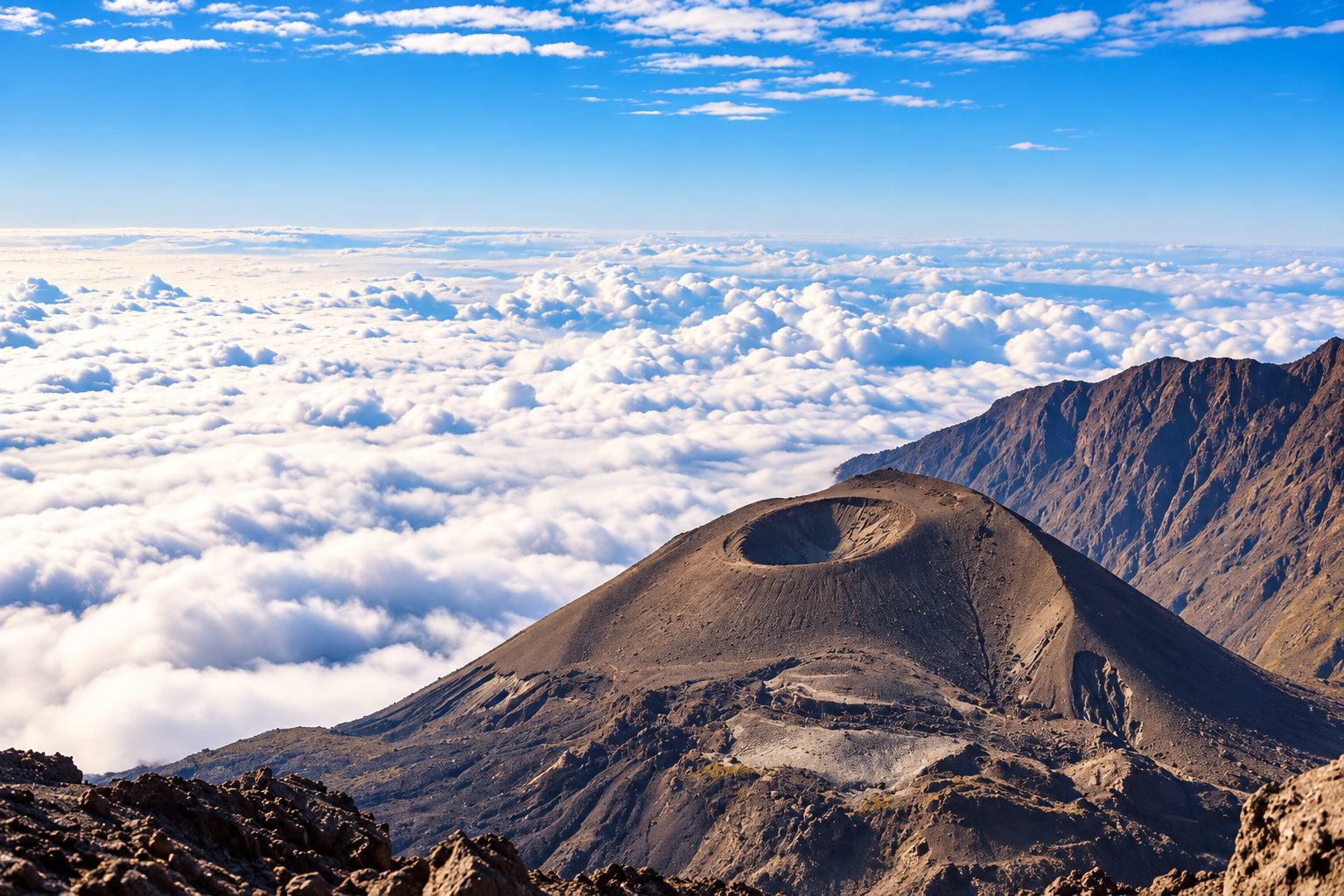
On Kilimanjaro, your guide will frequently encourage you to walk “pole pole”, meaning “slowly, slowly” in Swahili.
This isn't simply a cultural expression. A slow pace helps you conserve energy and reduces unnecessary exertion as you climb.
Don't worry about keeping up with the fastest trekkers.
Your Kilimanjaro climb is not a race.
Find a comfortable rhythm, take regular breaks and allow your body to adapt.
3. Stay Hydrated
Dehydration can make you feel worse at altitude, so drinking regularly is important.
Keep water easily accessible during the day and drink consistently rather than waiting until you feel extremely thirsty.
Your guide will advise you about your daily hydration needs and water arrangements during the trek.
Avoid excessive alcohol before and during your climb, as it can contribute to dehydration and interfere with sleep and recovery.
4. Eat Regularly
Your body needs energy to trek and acclimatize.
Even if your appetite decreases at altitude, try to eat regular meals and snacks.
Carbohydrate-rich foods can be particularly useful during long trekking days because they provide readily available energy.
Pack a few favourite snacks such as:
Energy bars
Nuts
Dried fruit
Chocolate
Biscuits
“Climb High, Sleep Low”
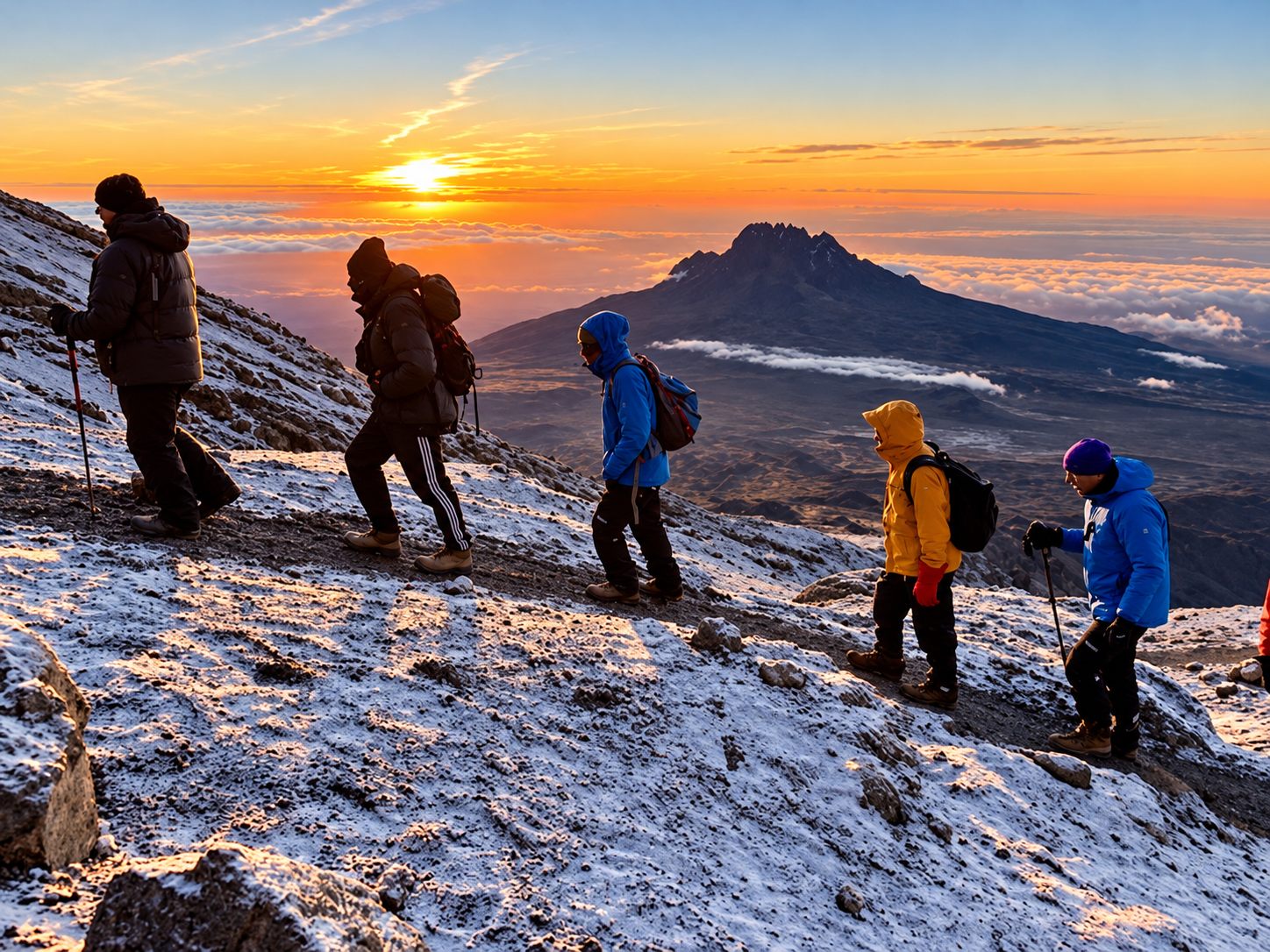
One of the principles used in altitude trekking is “climb high, sleep low.”
The idea is to gain elevation during the day but sleep at a lower altitude when the itinerary allows.
Some Kilimanjaro routes naturally incorporate this principle through their terrain and daily itinerary.
Your guide may also suggest a short acclimatization walk after reaching camp before returning to sleep at the same camp.
This provides additional exposure to altitude without requiring you to sleep at the highest point you reached that day.
Why Longer Routes Can Help
Kilimanjaro routes vary in length, and this is more than a question of how many days you want to spend hiking.
A longer itinerary can provide:
More gradual elevation gain
Additional time for acclimatization
More opportunities to observe how your body responds to altitude
A less rushed trekking experience
For this reason, when choosing between itineraries, it is worth looking beyond the price and number of days.
More time on the mountain can mean more time for your body to adapt.
At Wild to Peaks Tanzania, we can help you compare different routes and itineraries based on your experience, schedule and trekking goals.
What Happens During the Summit Push?
Summit night is the highest and most demanding part of your trek.
Depending on your route and itinerary, you may begin walking during the night and ascend several hundred metres before reaching Uhuru Peak.
At this altitude:
Temperatures can be extremely cold
Oxygen availability is significantly reduced
The pace becomes very slow
You may feel tired more quickly
Every step requires concentration
Your guide will set a controlled pace and monitor how you are doing.
The goal is not simply to reach the summit as quickly as possible.
The goal is to reach the summit safely.
How Will Our Guides Monitor You?
Your guide is an important part of your acclimatization strategy.
Throughout the trek, they will observe how you are feeling and look for signs that you may be struggling with altitude.
Be honest with your guide.
If you have a headache, feel unusually weak, become dizzy or develop nausea, tell them rather than trying to hide your symptoms.
Your guide can then assess the situation and determine whether you should continue, rest or descend.
When Should You Descend?
If altitude symptoms become severe or continue to worsen, continuing upward is not the solution.
Depending on the situation, your guide may recommend stopping the ascent or descending to a lower altitude.
In serious cases of altitude illness, descent is an emergency treatment.
Reaching Uhuru Peak is never more important than your safety.
Medication & Altitude
Some travellers ask about taking medication to prevent altitude sickness.
Medications such as acetazolamide (Diamox) may be recommended in certain circumstances, but they are not appropriate for everyone and should be discussed with a qualified healthcare professional before your trek.
Medication should never be considered a replacement for gradual ascent and proper acclimatization.
If you are considering altitude medication, speak with your doctor before travelling to Tanzania.
Altitude Is Unpredictable
There is no formula that can tell us exactly how your body will react to Kilimanjaro.
You may have previously climbed to high altitude without problems and experience symptoms on another trip. Conversely, someone with little mountain experience may acclimatize well.
This is why we don't recommend judging your ability to acclimatize solely on your fitness, age or previous trekking experience.
Every body responds differently to altitude.
The best approach is to climb gradually, move slowly, stay hydrated, eat regularly and communicate openly with your guide.
Kilimanjaro Altitude at a Glance
| Location | Approximate Elevation |
|---|---|
| Moshi | 800 m |
| Kilimanjaro National Park Gate | 1,800–2,000 m |
| Mandara Hut | 2,700 m |
| Horombo Hut | 3,720 m |
| Shira Camp | 3,800 m |
| Barranco Camp | 3,960 m |
| Karanga Camp | 4,035 m |
| Barafu Camp | 4,640 m |
| Uhuru Peak | 5,895 m |
Elevations vary slightly depending on the exact route and camp used.
Your Safety Comes First
Kilimanjaro is an extraordinary mountain, but reaching the summit should never come at the expense of your health.
At Wild to Peaks Tanzania, we believe a successful trek is not simply about standing at the summit. It is about making the journey safely, responsibly and at a pace that respects your body.
Our guides will support you throughout the climb, monitor your progress and help you make informed decisions if altitude becomes a concern.
Go slowly. Listen to your body. Trust your guide.
And remember the golden rule of Kilimanjaro:
Pole pole — slowly, slowly.